
I got scammed in Ramadan.
A person from Australia texted me on Messenger, saying that he needed an assignment done and had to submit it on Monday. On Friday, he sent Rs. 1,080 to my account as an advance, while the total amount was Rs. 10,000.
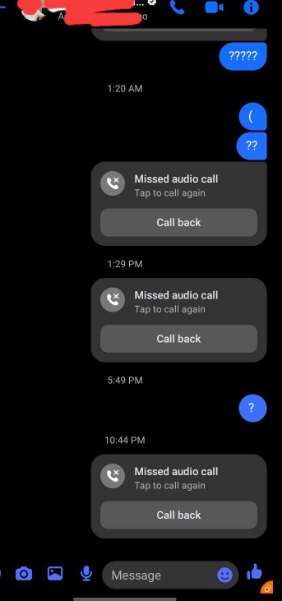
I will hide his name and number in the post because I have heard that in this group, no one can reveal anyone’s identity.
Continuing the story-I took the Rs. 1,080 and told him that I thought he would send half the amount as an advance, but he only sent Rs. 1,080. He said he would send the rest after the assignment was completed.
The assignment was very lengthy, so I worked on it for three days (Friday, Saturday, and Sunday), more than 15 hours in total. Finally, on Sunday, I completed the assignment and sent it to him on WhatsApp.
When I asked for the remaining amount, he blocked me on WhatsApp and stopped replying on Messenger. You can see the screenshots. This is the state of people-even while sitting in Australia, they still scam others. Really, really disappointed.
How to Identify Fake Shopping Websites?
If you’re planning to buy something online, here are a few warning signs to look out for:
✔ Unverified Website – Always check if the website is official by visiting the brand’s social media pages or official website.
✔ Too-Good-To-Be-True Discounts – If the price seems too low, it’s likely a scam.
✔ No Customer Support – Fake websites often do not have a working phone number or email.
✔ Poor Website Design – Look for spelling mistakes, poor-quality images, and an unprofessional layout.
✔ Check Reviews – Search for customer feedback on Facebook groups, Google Reviews, or Trustpilot.
What to Do If You’ve Been Scammed?
🔹 Report the Website – If you come across a scam website, report it to consumer protection authorities in your country.
🔹 Warn Others – Share your experience in online forums or Facebook groups to alert potential victims.
🔹 Dispute the Payment – If you paid via credit/debit card, contact your bank to dispute the transaction.
🔹 Avoid Shopping Without Research – Always buy from trusted retailers and verify authenticity before making payments.
Final Thoughts
This case is a reminder that online shoppers need to be extra cautious. Fake shopping websites are on the rise, and scammers are getting more sophisticated. Always double-check before placing an order to avoid disappointment and financial loss.
Have you ever experienced an online shopping scam? Share your story in the comments!