Zellbury Overcharging Issue: A Small Amount, A Big Ethical Concern

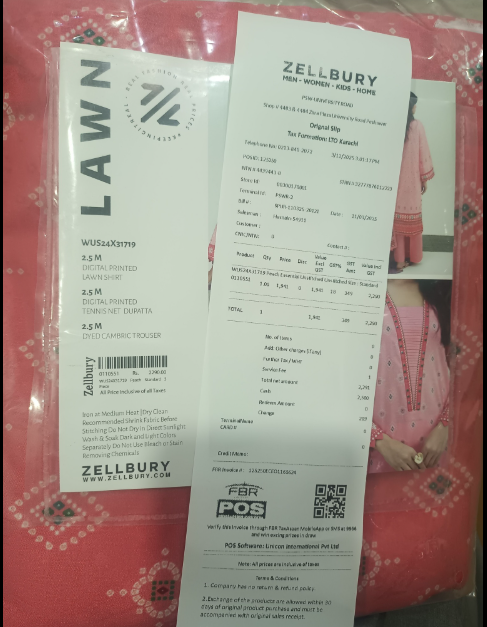
I purchased a lawn suit for Rs. 2,290, from #Zellbury but they charged me Rs. 2,300. When I asked, they insisted the price was Rs. 2,300, despite the bill and tag stating otherwise. It’s not about the amount, but the unethical practice of overcharging. If they do this to every customer, imagine the daily profit! We can donate this amount, but why pay extra unfairly? Anyone else faced this?

How to Identify Fake Shopping Websites?

If you’re planning to buy something online, here are a few warning signs to look out for:
Unverified Website – Always check if the website is official by visiting the brand’s social media pages or official website.
Too-Good-To-Be-True Discounts – If the price seems too low, it’s likely a scam.
No Customer Support – Fake websites often do not have a working phone number or email.
Poor Website Design – Look for spelling mistakes, poor-quality images, and an unprofessional layout.
Check Reviews – Search for customer feedback on Facebook groups, Google Reviews, or Trustpilot.

What to Do If You’ve Been Scammed?

🔹 Report the Website – If you come across a scam website, report it to consumer protection authorities in your country.
🔹 Warn Others – Share your experience in online forums or Facebook groups to alert potential victims.
🔹 Dispute the Payment – If you paid via credit/debit card, contact your bank to dispute the transaction.
🔹 Avoid Shopping Without Research – Always buy from trusted retailers and verify authenticity before making payments.

Final Thoughts

This case is a reminder that online shoppers need to be extra cautious. Fake shopping websites are on the rise, and scammers are getting more sophisticated. Always double-check before placing an order to avoid disappointment and financial loss.

Have you ever experienced an online shopping scam? Share your story in the comments!

a
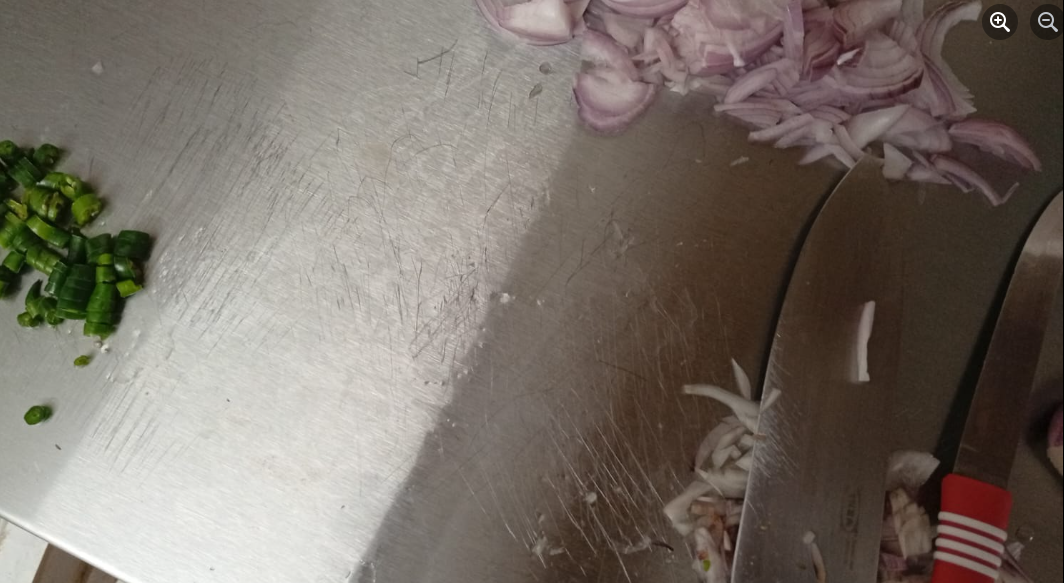
Gharbaar Cutting Board

Gharbaar Cutting Board: A Disappointing Purchase

I ordered a stainless steel cutting board from an online store, Gharbaar, and made an online payment on February 23rd for convenience.

On March 1st, I inquired about the delivery status, and they claimed that the rider had tried calling me, but I hadn’t answered. They assured me that the order would be delivered within two more days.

On March 6th, I contacted them via WhatsApp to inform them that the product was not up to the mark and requested a refund or exchange. After first use, there were marks on the board. They asked for a video as proof, which I promptly shared. However, I received no response from their end.

How to Identify Fake Shopping Websites?

If you’re planning to buy something online, here are a few warning signs to look out for:
Unverified Website – Always check if the website is official by visiting the brand’s social media pages or official website.
Too-Good-To-Be-True Discounts – If the price seems too low, it’s likely a scam.
No Customer Support – Fake websites often do not have a working phone number or email.
Poor Website Design – Look for spelling mistakes, poor-quality images, and an unprofessional layout.
Check Reviews – Search for customer feedback on Facebook groups, Google Reviews, or Trustpilot.

What to Do If You’ve Been Scammed?

🔹 Report the Website – If you come across a scam website, report it to consumer protection authorities in your country.
🔹 Warn Others – Share your experience in online forums or Facebook groups to alert potential victims.
🔹 Dispute the Payment – If you paid via credit/debit card, contact your bank to dispute the transaction.
🔹 Avoid Shopping Without Research – Always buy from trusted retailers and verify authenticity before making payments.

Final Thoughts

This case is a reminder that online shoppers need to be extra cautious. Fake shopping websites are on the rise, and scammers are getting more sophisticated. Always double-check before placing an order to avoid disappointment and financial loss.

Have you ever experienced an online shopping scam? Share your story in the comments!

Beware of Fake Lens Advertisements

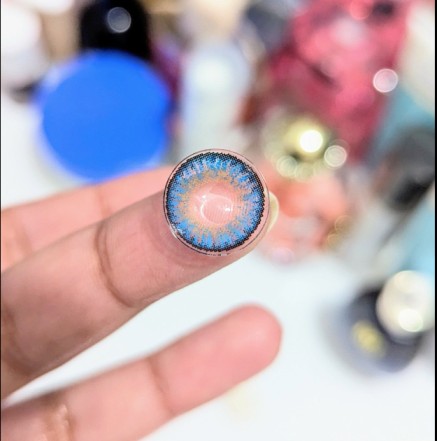
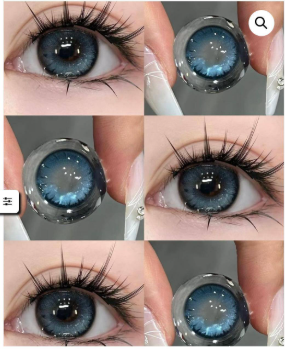
I don’t understand why some businesses don’t share original product pictures on their website. When I asked, they sent me a picture of a girl wearing the lens, which I assumed was the same product.

After receiving the lens, I noticed a difference and asked them about it. Their response? “It’s the same as the picture.” Oh, really? And when I told them the lens was irritating my eyes, they simply ignored me.

Bad business practice. I wonder how many others have faced the same issue.

How to Identify Fake Shopping Websites?

If you’re planning to buy something online, here are a few warning signs to look out for:
Unverified Website – Always check if the website is official by visiting the brand’s social media pages or official website.
Too-Good-To-Be-True Discounts – If the price seems too low, it’s likely a scam.
No Customer Support – Fake websites often do not have a working phone number or email.
Poor Website Design – Look for spelling mistakes, poor-quality images, and an unprofessional layout.
Check Reviews – Search for customer feedback on Facebook groups, Google Reviews, or Trustpilot.

What to Do If You’ve Been Scammed?

🔹 Report the Website – If you come across a scam website, report it to consumer protection authorities in your country.
🔹 Warn Others – Share your experience in online forums or Facebook groups to alert potential victims.
🔹 Dispute the Payment – If you paid via credit/debit card, contact your bank to dispute the transaction.
🔹 Avoid Shopping Without Research – Always buy from trusted retailers and verify authenticity before making payments.

Final Thoughts

This case is a reminder that online shoppers need to be extra cautious. Fake shopping websites are on the rise, and scammers are getting more sophisticated. Always double-check before placing an order to avoid disappointment and financial loss.

Have you ever experienced an online shopping scam? Share your story in the comments!

Zara Shahjahan Scam Alert

Online Shopping Scam Alert: Fake Zara Shahjahan Website Deceives Customers

Online shopping has made our lives easier, but unfortunately, it has also become a hotspot for scams. Recently, a concerned customer, Abeera Taimur, shared her experience of being scammed by a website named ZaraShahjahan.pk.

What Happened?

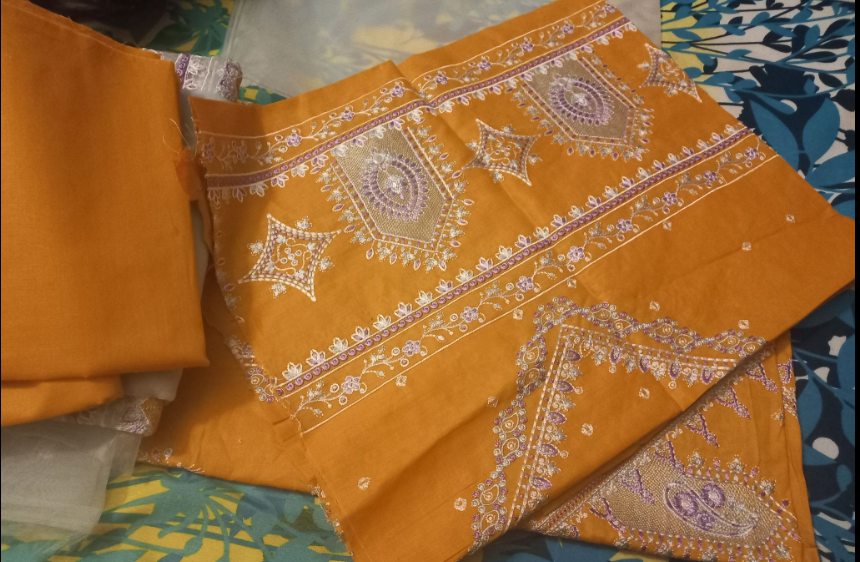
Abeera ordered a dress from ZaraShahjahan.pk for 7,250 rupees. The product she received was completely different from what was advertised on the website. Not only was the fabric poor quality, but the color was an unexpected bright orange/yellow instead of the soft pastel shade shown in the promotional images.

To make matters worse, when she tried to contact customer service, she found that their number was powered off—a clear sign of a fraudulent website.

How to Identify Fake Shopping Websites?

If you’re planning to buy something online, here are a few warning signs to look out for:
Unverified Website – Always check if the website is official by visiting the brand’s social media pages or official website.
Too-Good-To-Be-True Discounts – If the price seems too low, it’s likely a scam.
No Customer Support – Fake websites often do not have a working phone number or email.
Poor Website Design – Look for spelling mistakes, poor-quality images, and an unprofessional layout.
Check Reviews – Search for customer feedback on Facebook groups, Google Reviews, or Trustpilot.

What to Do If You’ve Been Scammed?

🔹 Report the Website – If you come across a scam website, report it to consumer protection authorities in your country.
🔹 Warn Others – Share your experience in online forums or Facebook groups to alert potential victims.
🔹 Dispute the Payment – If you paid via credit/debit card, contact your bank to dispute the transaction.
🔹 Avoid Shopping Without Research – Always buy from trusted retailers and verify authenticity before making payments.

Final Thoughts

This case is a reminder that online shoppers need to be extra cautious. Fake shopping websites are on the rise, and scammers are getting more sophisticated. Always double-check before placing an order to avoid disappointment and financial loss.