
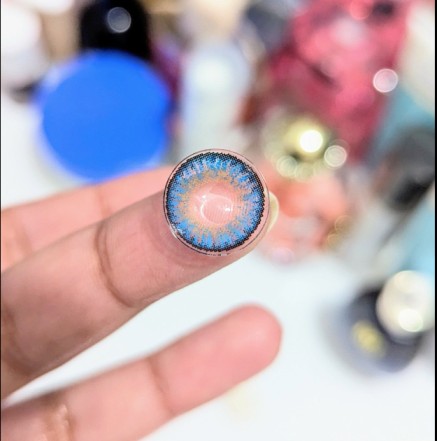
I don’t understand why some businesses don’t share original product pictures on their website. When I asked, they sent me a picture of a girl wearing the lens, which I assumed was the same product.
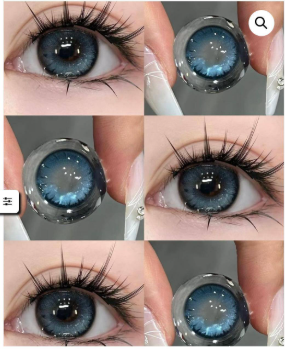
After receiving the lens, I noticed a difference and asked them about it. Their response? “It’s the same as the picture.” Oh, really? And when I told them the lens was irritating my eyes, they simply ignored me.
Bad business practice. I wonder how many others have faced the same issue.
How to Identify Fake Shopping Websites?
If you’re planning to buy something online, here are a few warning signs to look out for:
✔ Unverified Website – Always check if the website is official by visiting the brand’s social media pages or official website.
✔ Too-Good-To-Be-True Discounts – If the price seems too low, it’s likely a scam.
✔ No Customer Support – Fake websites often do not have a working phone number or email.
✔ Poor Website Design – Look for spelling mistakes, poor-quality images, and an unprofessional layout.
✔ Check Reviews – Search for customer feedback on Facebook groups, Google Reviews, or Trustpilot.
What to Do If You’ve Been Scammed?
🔹 Report the Website – If you come across a scam website, report it to consumer protection authorities in your country.
🔹 Warn Others – Share your experience in online forums or Facebook groups to alert potential victims.
🔹 Dispute the Payment – If you paid via credit/debit card, contact your bank to dispute the transaction.
🔹 Avoid Shopping Without Research – Always buy from trusted retailers and verify authenticity before making payments.
Final Thoughts
This case is a reminder that online shoppers need to be extra cautious. Fake shopping websites are on the rise, and scammers are getting more sophisticated. Always double-check before placing an order to avoid disappointment and financial loss.
Have you ever experienced an online shopping scam? Share your story in the comments!