
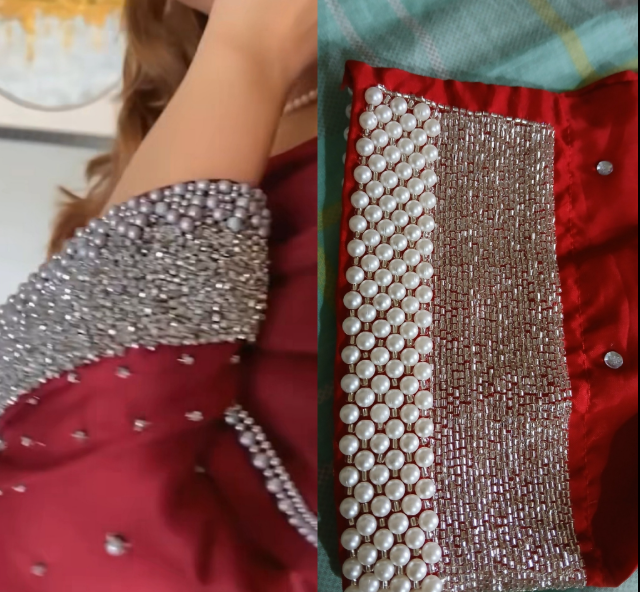
I ordered a dress from Vestidos_Studios (Instagram) on March 8th for 10K, with 2K advance and the remaining 8k on delivery. The original design featured embroidered sleeves and a dupatta border, but since they take custom orders, I requested a farshi shalwar instead of a regular one, providing exact measurements.
However, what I received today is a cheaply made dress with poor lacework, unfinished borders, and hanging pearls. The fabric quality is terrible, and the size isn’t customized—it’s their standard size (chest 19.5-20 instead of 22). The promised chiffon dupatta is actually a stiff tissue net.
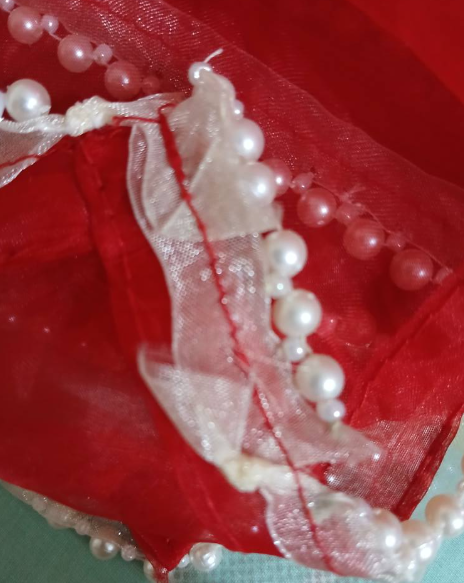
When I contacted them, they refused responsibility, claiming “custom orders can’t be refunded” despite no actual customization. Their response to the lace mess-up? “Ma’am, silai nhin honi thi?”
This dress isn’t even worth 3K, let alone 10K. Beware of such scammers! Don’t be misled by their 121K followers over Instagram and positive mentions—they don’t deliver what they advertise. Probably the first time I ordered from a non-brand and all I can say is: Lesson learned.
P.S. Do report their page on Instagram for scams/fraud. This time, it was me being naive, hoping a non-brand would provide a brand-level quality/service. Next time, it could be someone else. And no one deserves to lose their hard-earned money this way.
How to Identify Fake Shopping Websites?
If you’re planning to buy something online, here are a few warning signs to look out for:
✔ Unverified Website – Always check if the website is official by visiting the brand’s social media pages or official website.
✔ Too-Good-To-Be-True Discounts – If the price seems too low, it’s likely a scam.
✔ No Customer Support – Fake websites often do not have a working phone number or email.
✔ Poor Website Design – Look for spelling mistakes, poor-quality images, and an unprofessional layout.
✔ Check Reviews – Search for customer feedback on Facebook groups, Google Reviews, or Trustpilot.
What to Do If You’ve Been Scammed?
🔹 Report the Website – If you come across a scam website, report it to consumer protection authorities in your country.
🔹 Warn Others – Share your experience in online forums or Facebook groups to alert potential victims.
🔹 Dispute the Payment – If you paid via credit/debit card, contact your bank to dispute the transaction.
🔹 Avoid Shopping Without Research – Always buy from trusted retailers and verify authenticity before making payments.
Final Thoughts
This case is a reminder that online shoppers need to be extra cautious. Fake shopping websites are on the rise, and scammers are getting more sophisticated. Always double-check before placing an order to avoid disappointment and financial loss.
Have you ever experienced an online shopping scam? Share your story in the comments!